
Ransomware in Finance: Why Double-Extortion Is the New Threat
28 October 2025
Ransomware isn’t new but the tactics have evolved. Attackers used to focus on locking up your systems and demanding payment for a decryption key. Now, they’re adding a second layer of pressure.
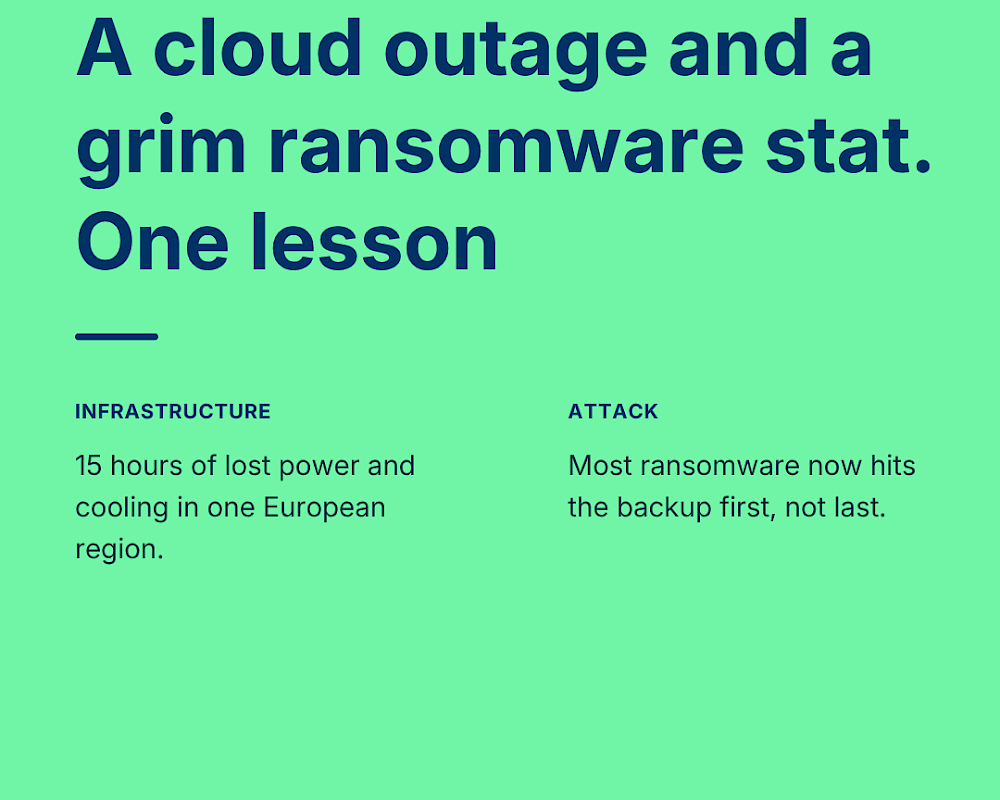
This new method, called double-extortion ransomware, involves stealing your data before encrypting it. Even if you have backups and can restore your systems, criminals threaten to publish or sell the stolen information unless you pay.
Why finance firms are prime targets
Financial organisations are particularly attractive to ransomware groups because they hold valuable, confidential data. Everything from client portfolios and personal identification to trading algorithms and transaction histories.
Even a small leak can cause:
- Regulatory scrutiny under the FCA or GDPR
- Client trust issues and potential withdrawals
- Damage to investor confidence
How attackers get in
Most ransomware infections start with something simple: a phishing email, a compromised password, or an unpatched system. Attackers don’t need advanced tools when human error or outdated systems give them easy access.
How to protect your firm
At Maple, we help finance firms build layered security that focuses on prevention, detection, and recovery:
- Prevent: Multi-factor authentication, staff awareness training, and proactive patch management reduce the chance of entry.
- Detect: Continuous monitoring and alerting systems spot suspicious behaviour before it spreads.
- Isolate: Rapid containment processes stop ransomware from moving through your network.
- Recover: Reliable, tested backups allow quick restoration without paying a ransom.
The right mindset
Ransomware is no longer a question of “if” but “when.” The key is being prepared so that when something does happen, your business can respond quickly and confidently.
At Maple, we’ve seen that firms with a clear response plan and strong defences recover faster, with less damage and downtime.
If you’re not sure how resilient your current setup is, a quick ransomware readiness review can highlight weak spots before attackers find them.