What Happens During a Cyber Attack?
13 May 2026
Cyber attacks are something many businesses hear about in the news, but few expect to experience themselves. Unfortunately, attacks such as ransomware are becoming more common across the UK, especially for small and medium-sized businesses that may not have dedicated in-house IT teams.
Understanding what actually happens during a cyber attack can help businesses respond faster, reduce disruption, and recover more effectively.
How a Cyber Attack Usually Starts
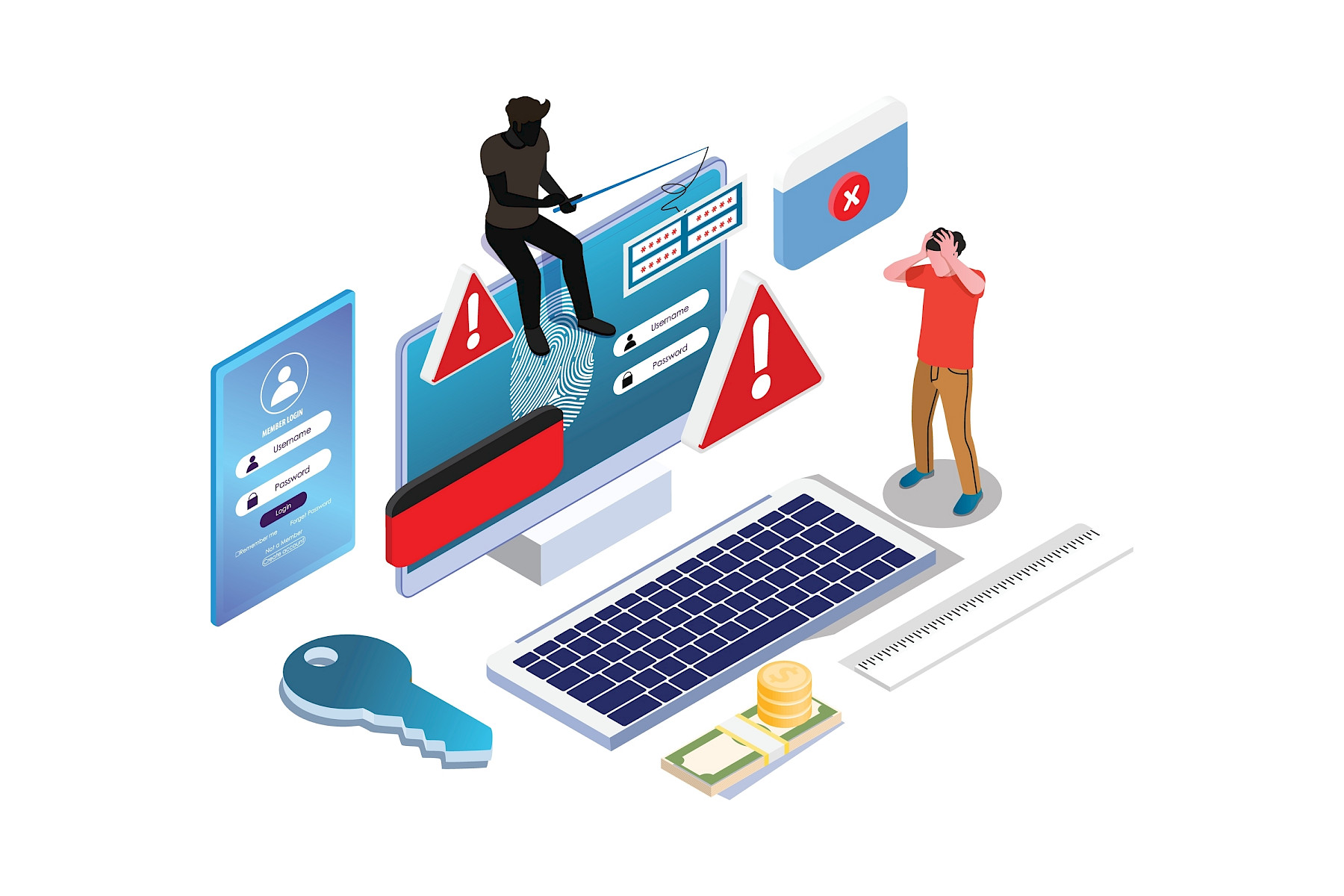
Many attacks begin with something that appears harmless. It could be:
- A phishing email asking someone to click a link
- A fake invoice attachment
- A weak or reused password being compromised
- An out-of-date system with a known vulnerability
Once attackers gain access, they often move quietly through systems before taking action.
What is Ransomware?
Ransomware is a type of malicious software that locks or encrypts files so they can no longer be accessed. Attackers then demand payment, usually in cryptocurrency, in exchange for restoring access. In many cases, businesses suddenly find they cannot open documents, access systems, or use shared drives. Some attackers also threaten to publish stolen data if the ransom is not paid.
Ransomware can affect:
- Customer records
- Financial information
- Emails
- Shared files
- Servers and cloud systems
- Backups, if they are not properly protected
The Immediate Impact on a Business
One of the biggest challenges during a cyber attack is downtime. Staff may be unable to work, systems can go offline, and customer service may be disrupted. Depending on the attack, businesses can lose access to:
- Phones and email
- Booking systems
- Accounting software
- Production systems
- Customer databases
Even a short outage can lead to missed sales, delayed projects, reputational damage, and financial loss.
Data Loss and Security Risks
Not every cyber attack only locks files. Some attackers steal sensitive data before encrypting systems. This could include:
- Personal customer information
- Employee records
- Payment details
- Confidential business documents
Businesses may also face regulatory obligations if personal data is involved, including reporting breaches under UK GDPR requirements.
What Recovery Looks Like
Recovering from a cyber attack is rarely instant. The process often includes:
- Isolating affected devices and systems
- Identifying how the attack happened
- Removing malicious software
- Restoring systems from backups
- Resetting passwords and improving security
- Monitoring for further suspicious activity
The speed of recovery usually depends on how prepared the business was beforehand.
Reliable backups, security monitoring, staff training, and clear recovery plans can make a significant difference.
How Maple Helps Businesses Prepare
At Maple, we help businesses reduce the risk of cyber attacks and recover faster if incidents occur.
Our support includes:
- Cyber security monitoring
- Managed backups
- Microsoft 365 security
- Endpoint protection
- Staff cyber awareness guidance
- Disaster recovery planning
- Ongoing IT support
Cyber attacks can be stressful and disruptive, but the right preparation can greatly reduce the impact. Having proactive systems and experienced support in place helps businesses stay protected and resilient when problems arise.