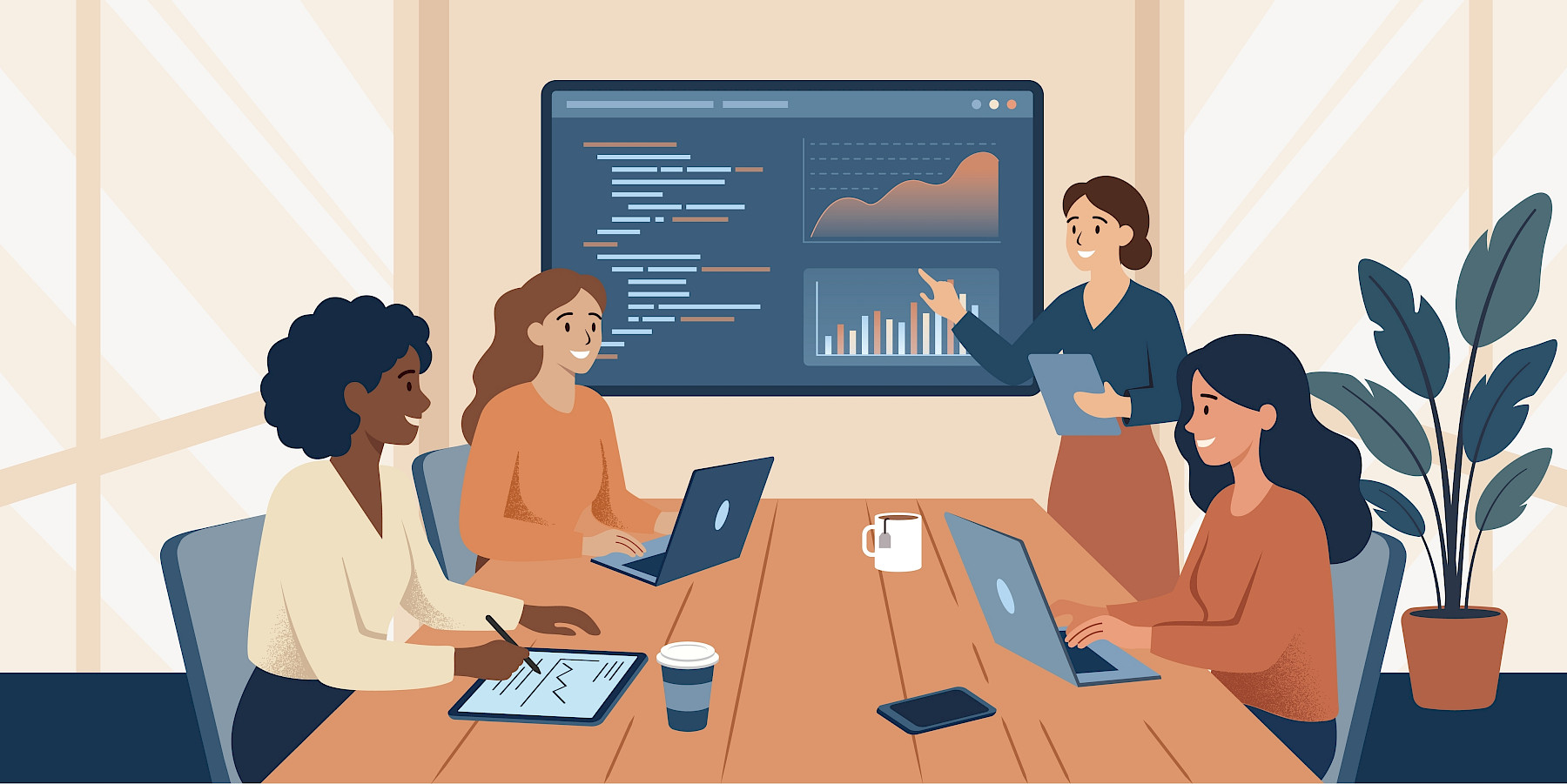
What a modern workplace looks like in 2026
7 July 2026
The workplace continues to evolve.
Today, businesses expect employees to work securely and efficiently whether they are in the office, at home, on-site with customers or travelling between locations. The traditional idea of work being tied to a single office has shifted significantly over the last few years.
Modern workplaces are no longer defined by physical locations. Instead, they are built around accessibility, security, collaboration and the ability to support people wherever they happen to be working.
For organisations of all sizes, creating a modern workplace is becoming less about keeping up with trends and more about enabling employees to perform at their best.
Characteristics of a Modern Workplace
Flexible Access
Employees need reliable access to the tools and information they use every day, regardless of where they are working.
A modern workplace allows staff to securely access files, business applications, communication platforms and company resources from any approved device and location.
This flexibility supports hybrid working arrangements, improves responsiveness and helps businesses continue operating effectively during periods of disruption.
Rather than relying on office-based infrastructure, organisations are increasingly adopting cloud technologies that provide consistent experiences across multiple devices and locations.
Better Collaboration
Effective collaboration is essential for modern businesses.
Teams are often distributed across offices, home environments and client sites, making seamless communication more important than ever.
Shared documents, instant messaging, video conferencing and collaborative workspaces have become standard business practices. These tools allow employees to work together in real time, share knowledge quickly and make decisions faster.
By removing barriers to communication, businesses can encourage stronger teamwork, improve project delivery and ensure employees remain connected wherever they are based.
Built-in Security
As working patterns become more flexible, security must become more intelligent and integrated.
Modern workplace environments embed security directly into day-to-day workflows, helping organisations protect data without creating unnecessary obstacles for employees.
Key security measures often include:
- Multi-factor authentication (MFA)
- Device management and compliance policies
- Conditional access controls
- Identity protection
- Centralised monitoring and reporting
- Automated threat detection
These capabilities help organisations maintain strong security standards while supporting flexible working arrangements.
Security should enable productivity, not hinder it.
Simpler Technology Experiences
Employees should spend their time focusing on meaningful work rather than troubleshooting technology issues.
The best workplace technologies feel intuitive and seamless. Staff can access what they need quickly, collaborate easily and move between devices without disruption.
Simplified user experiences reduce frustration, improve adoption rates and lessen the burden on internal IT teams.
When technology works as intended, employees can concentrate on delivering value rather than navigating complex systems.
The Business Benefits
Organisations embracing modern workplace technologies often experience benefits that extend beyond day-to-day convenience.
These can include:
- Improved productivity and efficiency
- Enhanced employee satisfaction and engagement
- Faster onboarding for new starters
- Greater operational resilience
- Reduced downtime and disruption
- Better support for hybrid and remote working
- Increased agility as business needs change
Providing employees with the right tools and secure access to information creates an environment where individuals can work more effectively and businesses can adapt more confidently to future challenges.
How Maple Helps
At Maple, we work with businesses to create technology environments that support growth, flexibility and long-term success.
Every organisation has different requirements, working practices and goals. Our approach focuses on understanding how teams operate and implementing solutions that genuinely improve the employee experience.
The objective is not simply to deploy new tools or follow the latest trends.
It is to ensure technology helps people work better, collaborate more effectively and remain secure while supporting the wider ambitions of the business.