Cybersecurity Basics Every Business Should Know
24 April 2026
Maple Shield – Turning your team into your first line of defence
Before getting into the basics, it’s worth recognising one of the most common entry points for cyber threats: people.
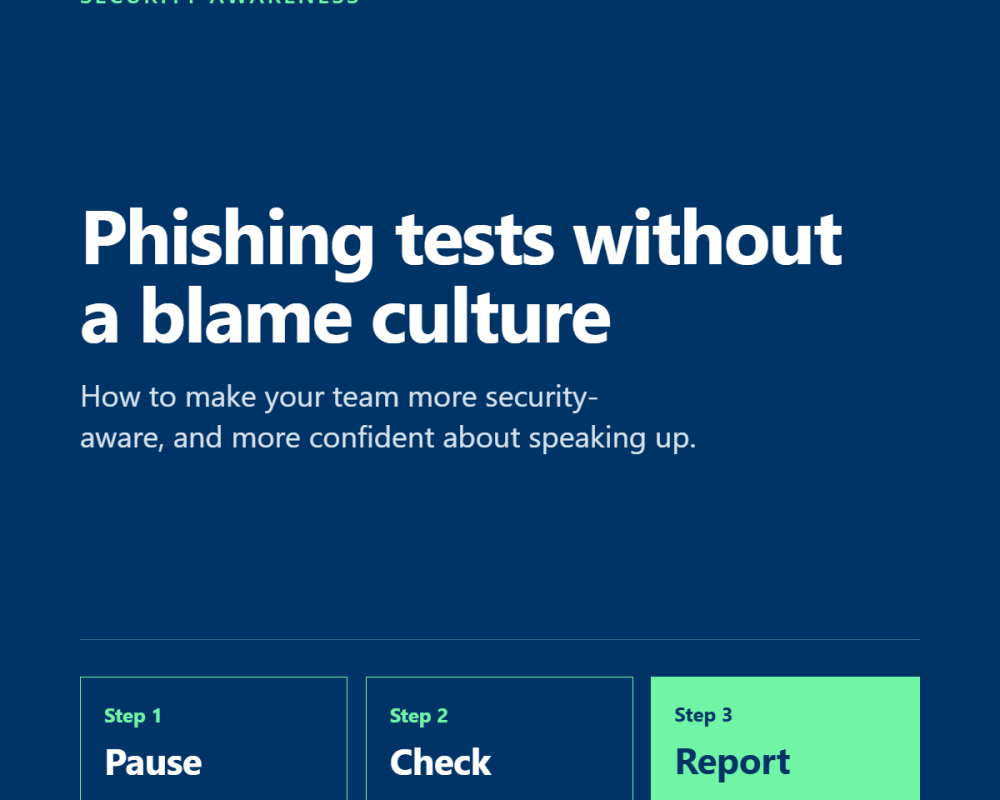
Maple Shield is designed to tackle that directly. It focuses on helping teams recognise and respond to real-world phishing and social engineering attempts in a safe, controlled way.
What it includes:
- Safe phishing simulations that mirror real attack techniques, helping you understand how your team actually responds
- Ongoing awareness training to build practical skills over time, not just a one-off exercise
- Clear reporting to track engagement and improvement, supporting governance and audit requirements
- Actionable follow-up so results lead to real behavioural change
The outcome: fewer risky clicks, better reporting of suspicious activity, and a measurable improvement in how prepared your team is against phishing-based threats.
Cybersecurity can feel like something only large enterprises need to worry about. In reality, most attacks are aimed at smaller businesses, not because they’re more valuable, but because they’re often easier to access.
The majority of security issues don’t come from highly sophisticated attacks. They come from everyday gaps. A missed update, a weak password, or a well-disguised email is usually all it takes.
If you get the basics right, you reduce a huge portion of your risk straight away.
1. Phishing – The most common entry point
Phishing is where an attacker sends an email pretending to be a trusted source. It might look like a colleague, a supplier, or even a bank.
These emails are designed to get you to:
- Click a link
- Download an attachment
- Enter login details
What it looks like in practice:
An employee receives an email that appears to be from a senior manager asking them to urgently review a document. The link leads to a fake login page, and once credentials are entered, the attacker now has access to that account.
How to reduce the risk:
- Be cautious with unexpected or urgent requests
- Check the sender’s email address carefully
- Avoid clicking links without verifying them first
- Use email filtering where possible
2. Weak passwords – Still a major problem
Passwords are still one of the easiest ways into a system. Using simple, repeated, or shared passwords creates unnecessary risk.
What it looks like in practice:
An employee uses the same password across multiple platforms. If one system is compromised, attackers can try the same login details elsewhere and often gain access.
How to reduce the risk:
- Use strong, unique passwords for every account
- Avoid sharing passwords between team members
- Use a password manager to store and generate secure passwords
- Enable multi-factor authentication (MFA) wherever possible
MFA alone can prevent the majority of account compromise attempts, even if a password is exposed.
3. Outdated systems – Easy to exploit
Software updates aren’t just about new features. They often include critical security fixes.
When systems are outdated, they become an easy target for attackers who are already aware of those vulnerabilities.
What it looks like in practice:
A device hasn’t been updated in months. A known vulnerability exists, and attackers use automated tools to find and exploit it without needing direct interaction from a user.
How to reduce the risk:
- Keep operating systems and applications up to date
- Apply security patches regularly
- Replace software or systems that are no longer supported
4. Why small businesses are targeted
There’s a common assumption that cybercriminals only go after large organisations. In reality, small and mid-sized businesses are often the preferred target.
Why:
- Security measures are usually less mature
- Staff may have less training or awareness
- Systems are not always consistently maintained
Attackers don’t always need a specific target. They often scan for vulnerabilities and take advantage of whichever business is easiest to access.
5. The impact of getting it wrong
Cyber incidents don’t just affect IT systems. They impact the whole business.
This can include:
- Loss of access to systems or data
- Downtime and disruption to operations
- Reputational damage with clients
- Potential regulatory or compliance issues
In sectors like financial services, where data sensitivity is high, the impact can be even more significant.
6. Building better habits (without overcomplicating it)
Cybersecurity doesn’t need to be overly complex. Most improvements come from consistent, practical habits:
- Question unexpected emails, even if they look genuine
- Use MFA as standard, not optional
- Keep devices and software updated
- Limit access to sensitive data based on roles
- Make security part of everyday processes, not an afterthought
Maple's thoughts
You don’t need enterprise-level security tools to make a difference. Most cyber incidents come down to a handful of avoidable issues. By focusing on phishing awareness, strong passwords, and keeping systems up to date, you significantly reduce your exposure.
It’s not about eliminating risk entirely, it’s about making your business a much harder target than the next one.