

5 Simple Weekly IT Checks Every Finance Team Should Be Doing
7 April 2026
Finance teams handle some of the most sensitive and valuable data in any organisation. That makes them a natural target for cyber threats. The good news is you don’t need complex tools or extra hours to stay protected. A few consistent weekly checks can dramatically reduce risk while keeping things simple.
Here’s a practical routine your team can follow, along with why each step matters and what it helps you achieve.
1. Check backups are up-to-date and verified
Backing up data is essential. Verifying those backups is what actually protects you.
Each week, take a few minutes to confirm backups have completed successfully. Go one step further and test restoring a file or two. It’s a small effort that can reveal issues before they become critical.
Why it matters: In the event of ransomware, system failure, or accidental deletion, backups are your last line of defence. If they fail, recovery becomes slow, expensive, or even impossible.
Outcome: Peace of mind that your financial data can be recovered quickly with minimal disruption.
2. Review access permissions for all staff
Access control often drifts over time. People change roles, join, or leave, but permissions don’t always keep up.
Run a quick weekly check on who has access to finance systems, shared folders, and sensitive data. Remove access for leavers immediately and tighten permissions where they’re broader than necessary.
Why it matters: The more access people have, the greater the risk of mistakes or misuse. If an account is compromised, excessive access can make the impact much worse.
Outcome: Better control, reduced internal risk, and a cleaner, more secure environment.
3. Update all devices with the latest patches
Software updates are easy to ignore, but they often fix known security weaknesses.
Make sure all laptops, desktops, and finance applications are updated regularly. Automate this where possible, then use your weekly check to confirm everything is current.
Why it matters: Many cyber attacks rely on exploiting vulnerabilities that already have fixes available. Delays create unnecessary exposure.
Outcome: Stronger protection against common threats without adding manual workload.
4. Remind staff to be cautious with emails and links
Even with good systems in place, people remain the most common entry point for attacks.
A simple weekly reminder can make a real difference. Encourage your team to question unexpected emails, double-check payment requests, and avoid clicking unfamiliar links or attachments.
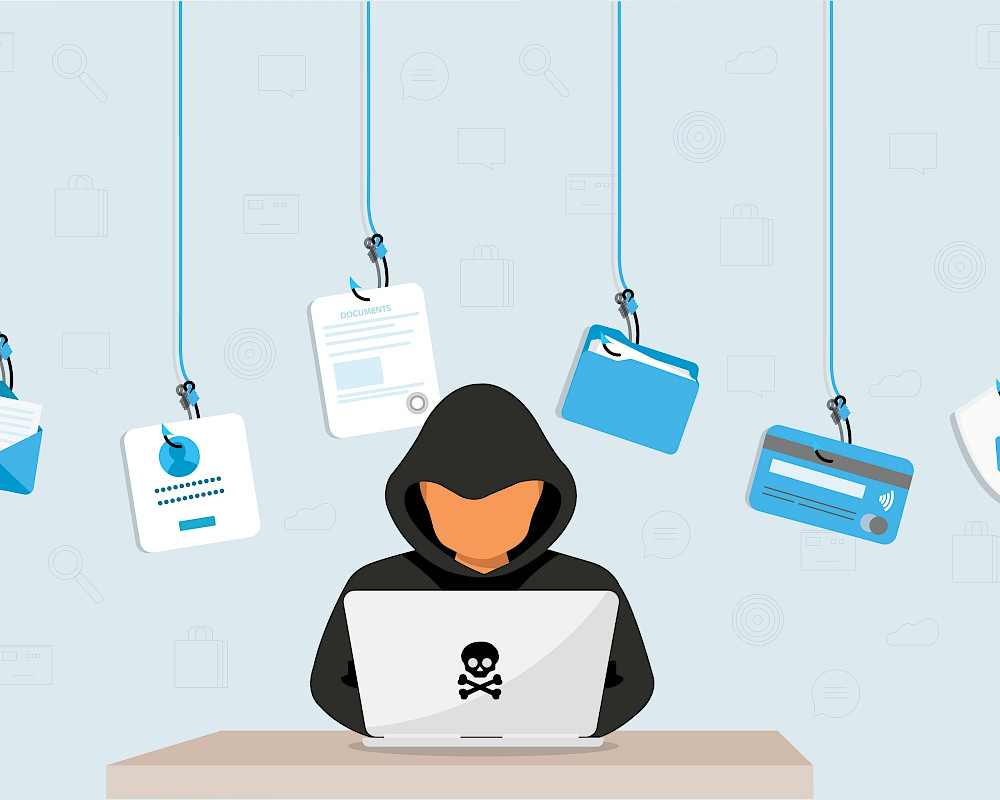
Why it matters: Phishing attacks are increasingly targeted at finance teams, often impersonating suppliers or senior staff.
Outcome: A more aware team that acts as an active layer of defence.
5. Ensure sensitive files are encrypted when shared externally
Finance teams regularly send confidential documents outside the business.
Make it standard practice to encrypt files or use secure sharing platforms when sending sensitive information. Avoid sending unprotected attachments wherever possible.
Why it matters: Emails can be intercepted or sent to the wrong recipient. Without encryption, that data is exposed.
Outcome: Safer communication and stronger protection for both your organisation and your clients.
Small habits, big impact
None of these steps are complicated, but together they create a strong baseline for security. When done consistently, they reduce risk without adding pressure to already busy teams.
If you want to take this further, working with a specialist IT partner can help turn these simple checks into a fully managed, proactive security approach.
Maple Technology supports financial firms with managed IT, cybersecurity, backup and disaster recovery, and staff training, helping teams stay secure without needing to manage everything in-house. Their approach focuses on proactive monitoring, fast support, and building a security framework that meets regulatory expectations.
That means your team can stay focused on finance, while the right systems, controls, and processes are handled in the background.
A few minutes each week can prevent major issues down the line. Consistency is what makes the difference.